Define the handling route
Teams review pack-out speed, palletization, transit mode, storage temperature, and damage reports before choosing material formats.
Sealed Air helps sourcing, packaging engineering, and operations teams specify protective packaging, foam materials, and recyclable packaging programs that hold up from production floor to final delivery.
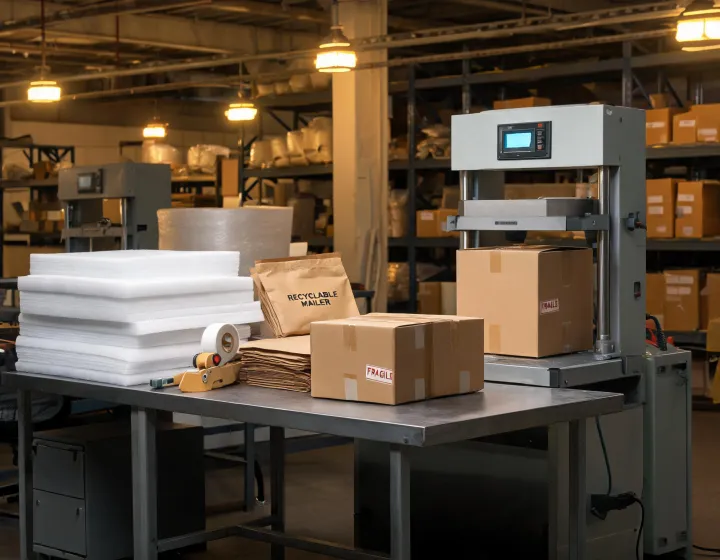
Sealed Air programs are framed around the way real packaging projects qualify: risk first, material fit second, and implementation only after the team has evidence.
Teams review pack-out speed, palletization, transit mode, storage temperature, and damage reports before choosing material formats.
Foam thickness, cushioning area, void fill, and plastic reduction goals are considered together so packaging does not solve one problem while creating another.
Drop, vibration, abrasion, and shipment pilots create a factual baseline for procurement approval and line operator training.
Once the structure works, Sealed Air helps standardize item codes, ordering windows, compliance files, and repeatable change control.
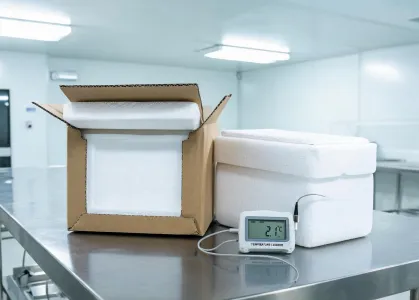
Insulation, liner choice, and seal integrity for temperature-sensitive shipments.
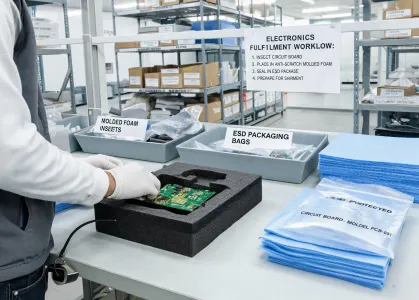
Cushioning plans that protect finishes and assemblies without slowing pack-out.
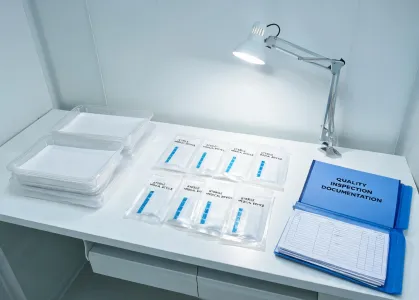
Documented material selection for traceable, regulated distribution needs.
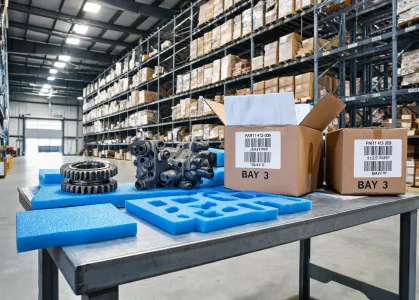
Durable protection for dense, sharp, or awkward components moving through mixed freight.
“The value was not only a new package. It was a cleaner approval path for quality, purchasing, and line supervisors.”
Packaging Development LeadElectronics manufacturer“Their team helped us compare foam options against damage history and freight cost, which made the sourcing decision much easier to defend.”
Strategic Sourcing ManagerIndustrial distribution group“We needed recyclable packaging language that operations could actually implement. The recommendation was specific and workable.”
Sustainability Program OwnerConsumer goods brandPrograms begin with shipment evidence and product sensitivity.
Foam, film, and polymer choices are tied to measurable constraints.
Documentation needs are considered before purchase approval.
Pack-out behavior, SKU control, and plant training remain part of the plan.
Share the product risk, freight route, and sustainability target. The response can focus on the right material family, not a generic catalog dump.
Start the Conversation