PE Foam vs. Polyiso Foam Board: An Admin Buyer's Guide to Choosing the Right Insulation & Packaging
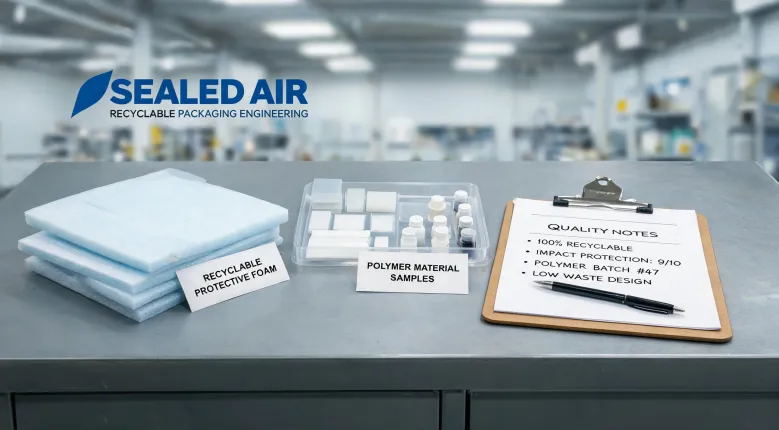
Honestly, when I first started handling materials purchasing, I thought foam was just... foam. You know? It's squishy, it protects stuff, job done. But after a few years and a couple of pretty expensive mistakes, I've learned that choosing the right foam is actually a lot more nuanced than the sales brochures make it seem.
The problem is there's no single "best" material. What works perfectly for insulating a warehouse roof will be a nightmare for protecting sensitive electronics during shipping. And vice versa. So, I'm going to walk you through this not as a materials scientist, but as an admin buyer who's had to make these calls under budget pressure. Basically, it's a decision tree.
How to Figure Out Your Situation
Before we dive into recommendations, you need to ask yourself just one question: What is the primary job of this foam? Is it to manage temperature (insulation), or is it to manage physical shock (packaging)? While some materials can do both poorly, focusing on the primary goal makes the choice much clearer.
Here's the quick breakdown. If you are building a cold storage room or insulating a hot pipe, you are in the thermal insulation camp. If you are shipping a $5,000 piece of lab equipment or a delicate glass component, you are in the protective packaging camp. Don't mix up the two—I made that mistake once, and it cost us a customer.
I'll cover the two main scenarios I deal with: Thermal Insulation and Protective Packaging. For each, I'll tell you what works and what doesn't.
Scenario A: The Thermal Insulation Job (You need a R-value)
If you're insulating a building, a roof, or a climate-controlled shipping container, your priority is thermal resistance (R-value). You want to stop heat from moving. In this game, a material like polyiso (polyisocyanurate) foam board is the industry standard for a reason.
Why Polyiso Foam Board Wins
Polyiso has an incredible R-value per inch—usually around R-6 to R-6.5. That's significantly better than PE foam (which is around R-3 to R-4 per inch) or even extruded polystyrene (XPS). For a wall assembly where space is tight, that high R-value is a deal-breaker. It's why you see it on commercial roofs and metal buildings.
According to the Polyisocyanurate Insulation Manufacturers Association (PIMA, based on 2024 industry data), it's also backed by rigorous testing for fire performance (ASTM E84) and long-term thermal resistance (LTTR). That compliance aspect is huge for our accounting and legal teams when we're doing a build-out.
My experience: In Q3 2024, we used a 2-inch thick polyiso board from a major supplier for a new office addition. The installation crew loved it because it was rigid and easy to cut with a utility knife. The HVAC had an easier time maintaining temperature from day one. The downside? It's more expensive than fiberglass batts, and it's not for everything. It's brittle if you bend it, and it's a closed-cell foam but doesn't have the same impact resistance as PE foam.
Scenario B: The Protective Packaging Job (You need cushioning)
Now, this is where I spend most of my time. We ship out parts and sub-assemblies. The enemy here isn't heat; it's impact and vibration.
Everything I'd read about packaging said "foam is foam." In practice, I found that using rigid polyiso board as a cushion was a disaster. It cracked, offered no rebound, and protected the box more than the product inside. For packaging, you want a material that can absorb energy and bounce back. You want polyethylene (PE) foam.
Why 3M PE Foam (and similar) Wins for Packaging
PE foam, like the stuff you see from Sealed Air (you know, the sealed air logo on the boxes) or 3M's PE foam sheets, is a closed-cell foam that is soft, flexible, and resilient. It doesn't crack; it compresses and absorbs the shock. It's the go-to for:
- Anti-static (pink or black foam): For electronics. A must-have.
- Cosmetic protection: For painted surfaces, PE foam won't scratch like a rigid board might.
- Reusable packaging: Because it doesn't crush, you can reuse it multiple times in a returnable container program.
The conventional wisdom is to always buy the cheapest void-fill (those air pillows). But my experience with 200+ packaging orders suggests that for high-value items, paying for a die-cut PE foam insert is absolutely a no-brainer. It completely eliminates the risk of the product moving in the box. When I switched from loose fill to custom-cut 3M PE foam for our delicate instrument shipments, our damage rate dropped from about 8% to less than 1%. That saved us far more than the cost of the foam.
Scenario C: The Weird Middle Ground (Multi-purpose)
What if you need a little of both? Say you're insulating a plastic tub that needs to keep contents cool for 24 hours and also survive a drop. This is the hardest scenario.
In this case, neither pure polyiso nor pure PE foam is perfect. You might need a composite. A very common solution is to use a thin layer of rigid polyiso for the thermal break, but then line the inside (where the product sits) with PE foam. The setup might look like: Product → PE Foam (cushion) → Polyiso Board (insulation) → Plastic Tub (shell).
I've also seen what is polyiso foam board used as a rigid backing for a PE foam liner. It gives the whole structure stability without sacrificing all the cushioning. But honestly, it's a pain to source and assemble. If you can avoid this hybrid, do. It's usually cheaper to just buy a specialized insulated shipper that's designed as a system.
How to Avoid the "One Size Fits All" Trap
So, how do you know which one you are? It's actually pretty simple if you stop thinking about the material first and start thinking about the failure mode.
- Failure Mode: Product gets cold/hot? → You are in the Thermal scenario. Look at polyiso foam board. (Roughly $0.50 - $1.00 per sq ft for a 1-inch board, based on quotes from major building supply distributors, January 2025).
- Failure Mode: Product arrives dented/scratched/broken? → You are in the Packaging scenario. Look at PE foam options like those from Sealed Air or 3M. (Usually $0.10 - $0.40 per sq ft for 1/4-inch sheet, depending on density and ESD requirements).
- Failure Mode: Both? → You likely have a multi-material system, and you're going to pay a premium for it. Budget for that.
The biggest mistake I see new buyers make (and I made it too) is buying polyiso board for packaging because it's cheap and has a high R-value, or buying PE foam for a wall because it's soft and easy to handle. They are completely different animals.
Bottom line? Know your enemy. Is your enemy heat loss or impact? Your answer to that one question will point you directly to the right material—and save you from having to eat that mistake out of your own department budget. (Pricing as of January 2025; verify current rates with your specific vendors.)

Jane Smith
I’m Jane Smith, a senior content writer with over 15 years of experience in the packaging and printing industry. I specialize in writing about the latest trends, technologies, and best practices in packaging design, sustainability, and printing techniques. My goal is to help businesses understand complex printing processes and design solutions that enhance both product packaging and brand visibility.
Leave a Reply