The Real Cost of ‘Sustainable’ Packaging: What a Procurement Admin Learned the Hard Way
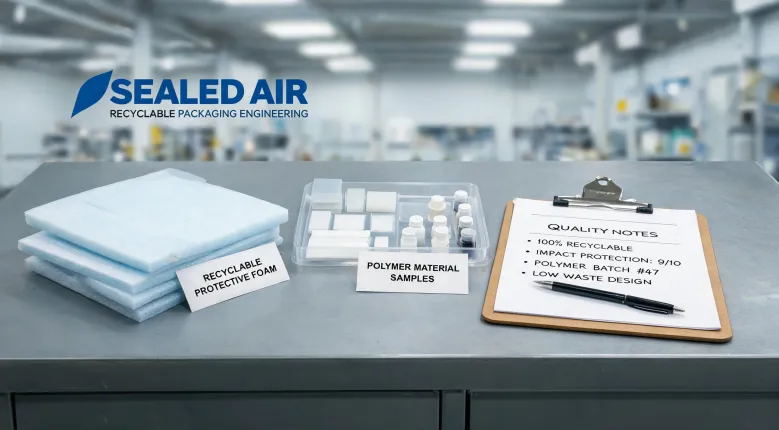
I Thought I Had Sustainable Packaging Figured Out
When I took over purchasing in 2020, one of my first big projects was greening our supply chain. My VP wanted us to cut plastic waste. My operations team wanted packaging that wouldn’t fail. And finance? They wanted it all to cost less.
Easy, right?
I spent months researching. I found a supplier who claimed their packaging was “100% recyclable” and “eco-friendly.” The price was right. I ordered 10,000 units for our new product launch.
That was a $6,000 mistake.
The Surface Problem: Recyclability Isn’t Simple
The boxes arrived. They looked great. Marketing loved the green logo. Then our engineers started testing the foam inserts inside. The problem? The inserts weren’t protecting our products. The thin, “eco-friendly” foam collapsed under moderate impact. Our return rate for the first batch hit 12%.
What most people don’t realize is that “recyclable” doesn’t mean “effective.” Per FTC Green Guides, a product claimed as recyclable must be recyclable in areas where at least 60% of consumers have access—but that guideline says nothing about whether the material actually performs its primary job. Our supplier sold us a material that met the letter of the law but failed the spirit of the application.
Here’s something vendors won’t tell you: a material’s ability to be recycled and its ability to protect are often inversely related. The thinner and lighter a foam is, the less impact it can absorb. That’s basic physics, but it’s not usually front-and-center in a sustainability brochure.
The Deeper Problem: Material Science vs. Marketing
The assumption is that all sustainable packaging is similar. The reality is that material composition varies wildly, and the real difference isn’t always obvious.
Polyethylene foam vs polyurethane foam: I learned this distinction the hard way. Polyethylene foam (like Sealed Air’s Cell-Aire) is a closed-cell material. It’s resilient, resistant to moisture, and recyclable in many municipal streams. Polyurethane foam is open-cell—it absorbs moisture, degrades faster, and is harder to recycle. Both are plastics. Both can be marketed as “sustainable.” One is dramatically better for protective packaging.
What I mean is that the “green” option isn’t just about the material composition—it’s about the entire lifecycle. A material that fails in transit generates waste: damaged products, returned items, repackaging costs. That waste has a carbon footprint far larger than the packaging itself.
People think sustainability is about material choice. Actually, sustainability is about system performance. A packaging that protects your product in a single trip—and creates zero waste from damage—is more sustainable than a biodegradable one that fails and requires returns.
The Price of Getting It Wrong
Let me be specific. Our initial order of 10,000 units cost $0.80 per unit. Total: $8,000. The return rate of 12% meant 1,200 units came back. Each return generated a shipping cost of $5.50, a repackaging cost of $2.00, and a restocking cost of $1.00. That’s $8.50 per return. Total: $10,200 in hidden costs. Plus the original $8,000 wasted on ineffective packaging.
The total cost of that “sustainable” packaging: over $18,000.
And that’s just the direct cost. The impact on our reputation? Harder to quantify, but real. Our operations team started asking why the purchasing department was prioritizing “green” over “functional.” I looked bad to my VP when returns spiked.
How We Fixed It: The Value of Certainty
After that debacle, I went back to basics. I needed packaging that was—in order of priority:
- Effective at protecting our products
- Recyclable in the markets we serve
- Cost-effective over the full lifecycle
I looked at Sealed Air’s Cell-Aire polyethylene foam. It’s a closed-cell foam—consistent, moisture-resistant, and recyclable through the same programs that accept plastic bags and wraps. Is it the cheapest on paper? No. Did it cost less overall? Yes. Our post-implementation return rate dropped to 1.2%. The 10% increase in material cost was more than offset by the 90% reduction in damage-related costs.
I’m not saying Sealed Air is the only option. But I learned that chasing the lowest upfront cost—especially when sustainability claims are involved—ignores the real cost drivers: damage, returns, and lost trust.
The question isn’t “Is this packaging recyclable?” It’s “Does this packaging work, and then can it be recycled?” In my experience, answering both questions correctly is worth paying a premium. Because the cost of being wrong is almost always higher than the cost of being certain.

Jane Smith
I’m Jane Smith, a senior content writer with over 15 years of experience in the packaging and printing industry. I specialize in writing about the latest trends, technologies, and best practices in packaging design, sustainability, and printing techniques. My goal is to help businesses understand complex printing processes and design solutions that enhance both product packaging and brand visibility.
Leave a Reply