Why Sustainable Packaging Isn't Always More Expensive (And What I Learned the Hard Way)
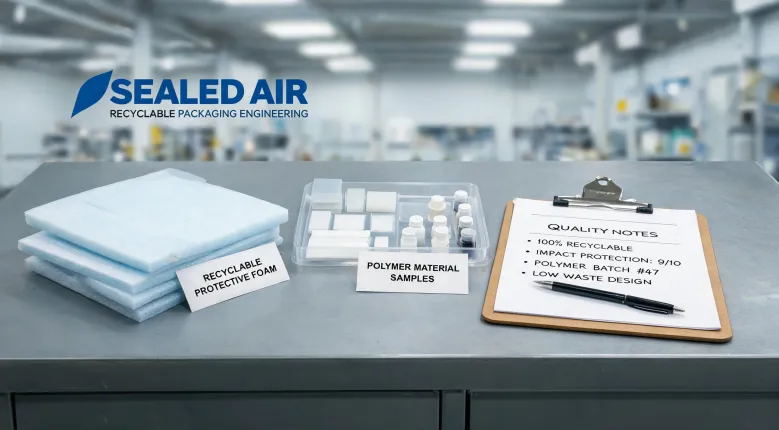
Here's what I've come to believe after five years of ordering packaging materials: sustainable protective packaging doesn't have to cost more. But if you buy the way we always have, it will.
When I took over purchasing in 2020, I inherited a vendor list that included suppliers for polyethylene foam, corrugated, and plastic cushioning. My first instinct was to keep things running—don't rock the boat. But after a few costly screw-ups, I started questioning the conventional wisdom.
My Starting Point: The Cost Myth
Like most beginners, I assumed recycled-content or recyclable packaging meant premium pricing. I'd heard it from vendors, read it in industry blogs... it was just accepted. So when I first looked at Sealed Air's Cell-Aire recyclable polyethylene foam line, I braced for sticker shock.
Turns out, the pricing was competitive. Not always cheaper—but not the 20-30% premium I expected. The difference? The material itself wasn't wildly expensive; it was the procurement approach that made costs spiral.
"What was best practice in 2020 may not apply in 2025. The fundamentals haven't changed, but the execution has transformed."
Three Things That Changed My Mind
1. Material Innovation Has Reshaped the Economics
Here's the thing: five years ago, if you wanted recyclable polyethylene foam, your options were limited and they cost more. Today, options like Sealed Air's Cell-Aire and other advanced TPU foams and polyolefin foams use less material while providing equal or better protection. Less material weight equals lower shipping costs—which is 40-60% of the total landed cost for protective packaging.
I didn't fully understand this until our 2024 vendor consolidation project. We switched one product line from traditional polyethylene foam to a recyclable alternative with 20% less material density. Our per-unit cost dropped about 8% after factoring in freight savings. That was the moment I realized the old cost comparisons were outdated.
2. Compliance Costs Are Hidden—and Growing
In 2023, we had an incident. A customer in California flagged our packaging for missing recycling information. Per FTC Green Guides (16 CFR Part 260), if you claim a product is recyclable, it must be recyclable in areas where at least 60% of consumers have access. We hadn't verified that. The result? A $2,400 rework cost plus a tense conversation with our VP of operations.
Since then, I prioritize suppliers who provide clear compliance documentation. Sealed Air, for example, explicitly lists regulatory compliance for RoHS, REACH, and California Prop 65 on their recyclable packaging lines. That documentation saves us time and risk. Honestly, I'm not sure why some vendors make this so difficult—it's basic due diligence.
3. The "Standard" Specification Trap
In my first year, I made the classic specification error: assuming "standard" meant the same thing to every vendor. I ordered polypropylene foam from our usual supplier based on a generic spec sheet. When the material arrived, it was technically what I ordered—but it wasn't optimized for our packaging. That cost us a $600 redo.
Now I work directly with manufacturers to understand what sustainable alternatives exist at the same or lower price points. This worked for us, but your mileage may vary if you're a smaller operation without volume leverage. If I remember correctly, we spent about 3 hours on the phone with Sealed Air's technical team getting spec recommendations—time well spent.
What About TPU Foam and Epoxy Foam Board?
These are materials I get asked about a lot. TPU foam—or thermoplastic polyurethane foam—offers unique performance characteristics but typically costs more than polyethylene options. Epoxy foam board is niche, more common in construction. For most protective packaging applications, polyethylene-based solutions hit the sweet spot between cost and sustainability.
Here's what I'd say to a fellow procurement person: don't get distracted by every new material. Focus on whether your current suppliers offer recyclable versions of what you already use. That's where the fastest wins live.
The Objection I Anticipate
Someone will say: "Not all recyclable packaging is created equal. Some requires special collection systems, and the recycling rate is low."
They're right. Polyethylene foam, even when recyclable, isn't accepted in every municipal recycling stream. But that's changing. The FTC's Green Guides require that a product labeled "recyclable" must be recyclable for at least 60% of consumers. Major packaging manufacturers are investing in collection infrastructure.
"I can only speak to domestic operations. If you're dealing with international logistics, there are probably factors I'm not aware of."
One More Thing: Don't Forget the Small Stuff
The third time we ordered the wrong quantity of cushioning material, I finally created a simple verification checklist. Should have done it after the first time. Now before any packaging order, I confirm three things:
- Material recyclability claim is verified (checked against FTC guidelines)
- Weight and dimensions are optimized for shipping
- Compliance documentation exists (RoHS, REACH, etc.)
Small wins add up. This approach saved our accounting team about 6 hours monthly in invoice reconciliation alone.
My Takeaway
Sustainable packaging isn't more expensive—but how you buy it determines the cost. If you rely on old specs, skip compliance verification, and ignore material innovations, you'll pay more. If you update your approach, you might just save money and look good to your VP.
I've never fully understood why some procurement teams resist this shift. Maybe it's inertia. Maybe it's the fear of change. But from where I sit, the cost argument against sustainable packaging is rapidly becoming a relic of the past.

Jane Smith
I’m Jane Smith, a senior content writer with over 15 years of experience in the packaging and printing industry. I specialize in writing about the latest trends, technologies, and best practices in packaging design, sustainability, and printing techniques. My goal is to help businesses understand complex printing processes and design solutions that enhance both product packaging and brand visibility.
Leave a Reply