Is Sealed Air's Packaging Actually 'Plastic Free'? What Admin Buyers Need to Know
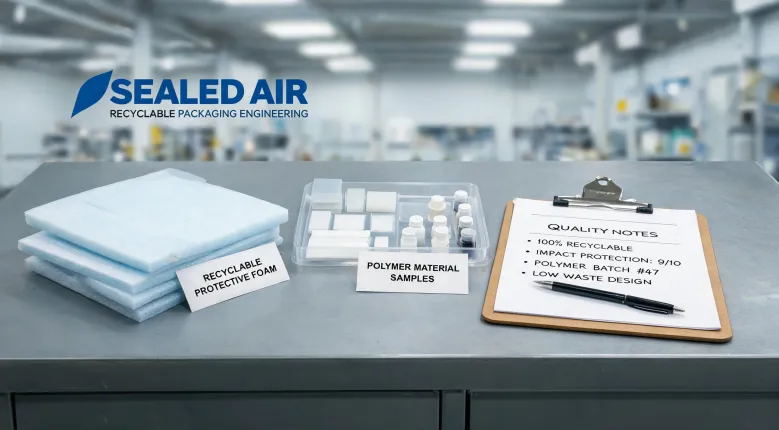
Let's get one thing straight from the start: if you're looking for genuinely plastic-free packaging from Sealed Air, you're probably looking at the wrong company. Their core business is polyethylene foam and plastic-based protective materials. That's not a criticism—it's a reality you need to understand before you start comparing options.
I manage purchasing for a mid-size company—about $250K annually across 8 different vendors for everything from office supplies to shipping materials. When our sustainability manager came to me in 2024 asking about 'plastic-free packaging' from Sealed Air, I had to do some digging. What I found surprised me.
Why This Doesn't Have a Simple Answer
Here's the thing: when someone says 'plastic-free,' they might mean:
- No plastic at all (paper, cardboard, or biodegradable alternatives)
- Recyclable plastic (that can be processed in existing waste streams)
- Post-consumer recycled content (plastic made from recycled materials)
It's tempting to think you can just compare 'plastic free' claims on product pages. But I've learned the hard way—after ordering what I thought was a sustainable option only to find it couldn't be recycled in our local facility—that the nuance matters. A lot.
Scenario A: You Need Actual Plastic-Free Packaging
If your company has a strict no-plastic policy (some of our clients in the food industry have this), Sealed Air probably isn't your solution. Their signature product lines—Cell-Aire polyethylene foam, bubble wrap, and air pillows—are all plastic-based. They're designed to be recyclable, but they're still plastic.
What admin buyers should do: Look at paper-based alternatives from other vendors for lightweight cushioning. For heavy-duty protection, consider molded pulp or corrugated cardboard inserts. I've found that for our electronics shipments, corrugated dividers work just as well as foam—though they take up more storage space (note to self: negotiate for smaller bulk orders).
Scenario B: You Want Recyclable Plastic Packaging
This is where Sealed Air actually shines. Their recyclable packaging line is designed to be processed in standard recycling streams—unlike traditional mixed-material packaging that can't be separated. Our company switched to their recyclable air pillows in Q3 2024, and our waste management vendor confirmed they process fine in our local MRF (material recovery facility).
But here's the catch I discovered: 'Recyclable' doesn't mean 'recycled'. The recycling symbol on the product means the material can be recycled where facilities exist. According to the EPA (epa.gov, 2024 data), only about 12% of plastic film is actually recycled in the US. So while the material is recyclable in theory, the infrastructure may not exist in your area.
What admin buyers should do: Before ordering any 'recyclable' packaging, call your local waste management provider and ask specifically: 'Can you process polyethylene film (LDPE/LLDPE) in your single-stream recycling?' Get it in writing. I learned this lesson after ordering 500 recyclable mailers only to learn our facility sends all film to landfill.
Scenario C: You're Evaluating Cost vs. Sustainability
This is the decision that kept me up at night last year. On paper, traditional non-recyclable foam was 30% cheaper than Sealed Air's recyclable alternatives. But my gut said the sustainability angle mattered for our brand image.
I went back and forth for two weeks. The cheaper option looked smart until I calculated the total cost: lower product price, but higher waste disposal fees, potential customer perception issues, and—frankly—it made me look bad to my VP when our sustainability report showed zero progress on packaging reduction.
The calculation that worked for us:
- Traditional foam: $0.15/unit + $0.05/unit disposal = $0.20 total
- Recyclable alternative: $0.22/unit + $0.01/unit disposal (recycling is cheaper than landfill here) = $0.23 total
- Difference: $0.03/unit—or about $600 annually for our volume
For us, $600/year was worth the brand perception boost and the sustainability checkbox. Your math will be different.
How to Decide Which Scenario You're In
Here's a quick decision framework I wish someone had given me:
- Check your policy first. Does your company have a specific plastics policy? If it says 'no plastic,' you're in Scenario A and Sealed Air likely isn't your fit.
- Call your waste hauler. Ask about polyethylene film acceptance before ordering anything labeled 'recyclable.' This single call saved me from a costly mistake.
- Run the total cost. Don't just compare unit prices. Include disposal costs, storage space, and the hidden cost of 'looking bad' to stakeholders when sustainability goals aren't met.
- Verify certifications. Sealed Air products often cite RoHS and REACH compliance (verify current certifications directly with them—I found their website's compliance page helpful, but I always ask for current documentation via their customer portal).
Looking back, I should have asked better questions upfront. At the time, I was so focused on finding 'sustainable' packaging that I forgot to define what that meant for our specific situation. If I could redo that decision, I'd start with the waste hauler call—not the product search.
Pricing as of March 2025; verify current rates and recyclability with your local facility.

Jane Smith
I’m Jane Smith, a senior content writer with over 15 years of experience in the packaging and printing industry. I specialize in writing about the latest trends, technologies, and best practices in packaging design, sustainability, and printing techniques. My goal is to help businesses understand complex printing processes and design solutions that enhance both product packaging and brand visibility.
Leave a Reply