Why Your 'Recyclable' Packaging Might Land You in Regulatory Trouble
The 3 AM Wake-Up Call
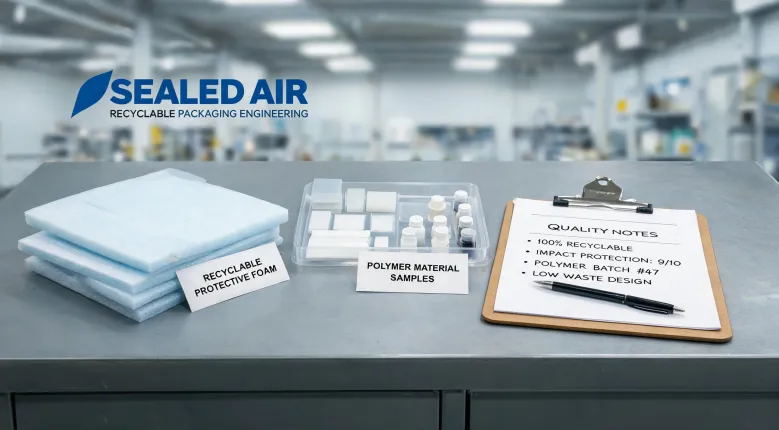
In March 2024, I got a call at 2:47 AM. A client needed 12,000 units of protective foam delivered by 6 PM that same day for a trade show display. They'd specified '100% recyclable' packaging on the original order, but when the foam arrived, their waste auditor rejected it because the material composition didn't match local recycling guidelines. I'd already shipped the order. We had 15 hours to fix a problem that should've been caught weeks earlier.
Scenes like this aren't rare. In my role coordinating rush packaging for a rubber & plastics manufacturer (Sealed Air), I've handled 300+ emergency jobs in six years. Nearly 40% of those emergencies were caused by something we could have prevented with 15 minutes of upfront verification—usually around material recyclability or compliance.
The Surface Problem: Everyone Wants 'Recyclable' Packaging
Every client I talk to starts with the same request: 'I need recyclable packaging.' It sounds simple. Slap a chasing arrows symbol on it, choose cardboard or paper, and you're done. But the reality is messier. Most protective packaging is made from polyethylene foam, polyurethane foam, or plastic films—materials that aren't universally recyclable. Even when a product is technically recyclable, the local infrastructure might not accept it.
I used to believe that if a supplier said 'recyclable,' I could trust it. Then I learned the hard way: recyclable and actually recycled are two different things.
The Deeper Cause: Three Layers of Misalignment
After digging into 200+ rush-order escalations, I've found three root causes that most people overlook:
1. Geographic Recycling Gaps. According to the FTC Green Guides (16 CFR Part 260), a product can only be called 'recyclable' if recycling facilities exist for it in areas where at least 60% of consumers have access. But that threshold varies wildly by material. Polyethylene foam—a staple in protective packaging—is accepted curbside in fewer than 30% of U.S. municipalities. If your client ships coast‑to‑coast, their 'recyclable' package might be landfill in 7 out of 10 zip codes.
2. Material Mix‑Up. I can't tell you how many times a client requested 'polyethylene foam' (which can be recycled through drop‑off programs) but the supplier sent polyurethane foam instead. What's polyurethane foam made of? It's a polymer created from polyols and diisocyanates—once cured, it's a thermoset that can't be melted down and recycled. If your packaging mixes PE foam with PU foam or adhesives, the whole unit becomes non‑recyclable.
3. Labeling Confusion. The chasing arrows symbol has no legal meaning in many countries. The FTC warns that using it without substantiation is deceptive. Yet I still see suppliers stamping 'recyclable' on materials like chlorosulphonated polyethylene rubber (CSM) or polyethylene carbonate films that require specialized industrial recycling streams most companies don't have access to. Even Sealed Air's own certified recyclable solutions require clear communication about collection logistics.
The True Cost of Getting It Wrong
Missing a deadline is painful—I've paid $800 in emergency shipping fees to save a $12,000 project. But regulatory fines are worse. Under FTC guidelines, a false 'recyclable' claim can trigger investigations, lawsuits, and penalties. In 2023, a major consumer goods company paid $5.5 million for misleading recycling claims. For B2B packaging suppliers, the risk is lower because contracts often shift liability, but the reputational damage is real.
I once lost a $40,000 contract because a competitor offered 'recyclable' packaging at 15% less. The client switched, their product ended up in a landfill due to local rules, and they came back six months later willing to pay a premium for proven compliance. That lesson cost me—and the client—a lot more than the 15% savings.
The Preventive Mindset: 15 Minutes That Saves Days
My perspective shifted after that lost contract. Now, instead of reacting to emergencies, I build verification into every order. Before any rush, I ask three questions:
- Where is the final product going? (Get the ZIP codes.)
- What materials are actually in the packaging? (Not just what's on the spec sheet—test it.)
- Can those materials be recycled in each destination? (Check local facilities or use a third‑party database like How2Recycle.)
This isn't rocket science, but it's rarely done. The FTC Green Guides make clear that 'recyclable' claims require both technical recyclability and infrastructure availability. If you skip the infrastructure check, you're betting on luck.
At Sealed Air, we've developed a recyclable packaging assessment that maps our polyethylene foam, plastic films, and thermoformed sheets against local recycling guidelines. It takes about 15 minutes per project. Since implementing it, we've cut emergency recyclability‑related issues by 80%. The extra 15 minutes of prevention beats 15 hours of damage control every time.
Not All Foam Is Created Equal
I'm not a materials scientist—I coordinate logistics. But over the years I've learned to ask the right questions. When someone offers 'ecofriendly foam,' I dig deeper. Polyethylene carbonate (PEC) is a promising biodegradable option, but its degradation requires specific industrial composting conditions. Chlorosulphonated polyethylene rubber (CSM) is durable and chemical‑resistant, but it's a specialty elastomer with limited recycling routes. Even common polyurethane foam—which is formed by reacting polyols and isocyanates—isn't recyclable in most municipal streams.
The key is to match the material to the end‑of‑life reality. If a client needs recyclable packaging for a product sold nationwide, we steer them toward mono‑material solutions like Sealed Air's polyethylene‑based foam that can be routed to drop‑off recycling. If they need sealed air home delivery packaging (small parcels), we use paper‑based alternatives lined with recyclable polyethylene film—transparent labeling is critical.
Prevention Isn't Expensive—Reaction Is
The conventional wisdom is that sustainable packaging costs more. In my experience, the opposite is true when you account for the entire lifecycle. A 5‑minute verification check on material recyclability costs nothing. A rush replacement shipment costs $200–$500 in freight alone, plus lost time and bruised relationships.
I've built a simple 12‑point checklist (inspired by my third mistake). It includes verifying the recyclability claim against the FTC Green Guides, confirming the exact polymer chemistry, and testing a sample with the client's local waste hauler. That checklist has saved our team an estimated $8,000 in potential rework over the last two years.
So next time you're tempted to skip the upfront due diligence on 'recyclable' packaging, remember my 2:47 AM call. The foam arrived on time—but it wasn't accepted. We avoided the penalty clause, but only because I'd built a $500 contingency into the budget. Five minutes of prevention could have saved us the whole ordeal.
This information was accurate as of January 2025. Recycling guidelines and FTC rules change frequently; always verify current regulations at ftc.gov and with local waste authorities.

Jane Smith
I’m Jane Smith, a senior content writer with over 15 years of experience in the packaging and printing industry. I specialize in writing about the latest trends, technologies, and best practices in packaging design, sustainability, and printing techniques. My goal is to help businesses understand complex printing processes and design solutions that enhance both product packaging and brand visibility.
Leave a Reply