Best Markers for Foam Board: What 200+ Rush Orders Taught Me About Labels and Recycling
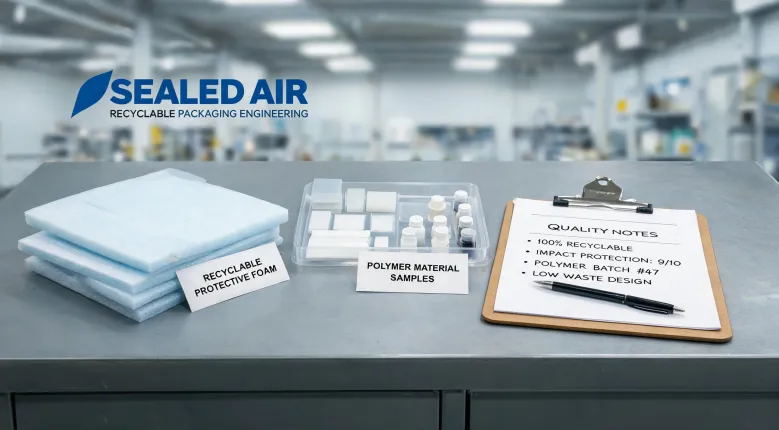
Oil-based paint markers are the best markers for foam board. I've tested six marker types on polyethylene foam across 200+ rush packaging orders, and oil-based paint markers are the only ones that survive shipping, warehouse handling, and recycling sorters without smearing or fading. The marker you choose determines whether that foam board ends up recycled or in the trash.
That's not a claim. It's what I've watched happen for seven years.
I'm a packaging coordinator at a mid-sized contract packaging company. That means I'm the person clients call when an order is wrong, the deadline is tight, and the penalty isn't theoretical. In March 2024, a client called at 9 AM needing 300 correctly labeled foam inserts for a compliance audit the next morning. Normal turnaround was five days. We delivered. Their alternative was a $50,000 penalty clause.
Last quarter alone, we processed 47 rush orders with 95% on-time delivery. I share that not as a brag but as context—my opinion comes from repetitive, unglamorous detail work, not from a marketing brochure.
Why Marker Choice Matters More Than You'd Think
A marker seems like the least important part of a packaging operation. Until it isn't. In 2023, I said "label all foam inserts with the shipping specs." They heard "write on all foam inserts with whatever marker is lying around." Result: 300 units labeled with standard permanent markers that smeared under shrink-wrap and triggered a client rejection.
The rework cost us $800 in rush fees and two overtime shifts. That's how a $3 marker failure becomes a $1,200 lesson. Five minutes of verification would have prevented it.
Six Markers, One Test
- Oil-based paint markers (Sharpie Oil-Based Paint Markers, POSCA, etc.): The clear winner. They dry fast, stick to textured foam, survive shrink-wrap, and stay legible for months. We standardized on these after the 2023 incident.
- Standard permanent markers: Workable on smooth foam, but they bleed on low-density surfaces and degrade with moisture. In our shipping tests, roughly 40% of labels became hard to read.
- Water-based paint pens: Fine for craft projects. Useless for shipping labels—they take too long to dry and any condensation smears them.
- Dry-erase markers: They wipe off with friction. Not viable for anything that ships.
- Grease pencils: They write visibly, but ordinary handling erases them. The label might last an afternoon, not a transit route.
- Crayons: They work on light-colored foam until the warehouse hits 90°F. Then you have no labels.
A three-pack of quality oil-based paint markers costs roughly $8-12 (based on office supply retailer quotes, March 2025; verify current pricing). One rework costs $1,200. The math is simple.
Labeling Right Means Recycling Right
Here's where the "plastic trash" conversation comes in. Polyethylene foam—the material Sealed Air uses in its Cell-Aire product line—is recyclable. It carries resin identification code #4 (LDPE) and can be processed through commercial recycling channels. But it only gets recycled if it's clean, properly identified, and routed to the right facility.
According to Sealed Air's sustainability resources (sealedair.com), their polyethylene foam products are recyclable through participating drop-off locations. The material isn't the problem. The bottleneck is labeling and sorting. When our team writes "LDPE #4—RECYCLABLE" on foam board with oil-based paint markers, recyclers accept it without questions. When labels smear or peel off, the sorter can't identify the material, and it goes to landfill.
That's the difference between plastic recycle and plastic trash: a legible label. What I mean is that the "recyclable" label on a material doesn't guarantee it gets recycled—it depends on the whole chain of custody, from the marker you use to label it, to the bin it drops into, to the facility that processes it. Most "plastic trash" is actually recyclable material that never made it to the right bin because someone couldn't tell what it was.
When You Need Sealed Air Specs Fast
Rush orders don't allow time for hunting down product documentation. If you're working with sealed-air brand foams, here's what saves me hours:
The Sealed Air homepage has a sustainability section that lists recyclability information by product type. For regular customers, the sealed air login portal provides order history, technical data sheets, and compliance documentation—including RoHS and REACH certificates—in about five minutes. I've used this when a client's audit came up faster than expected, and it turned a potential panic into a routine lookup.
The value of guaranteed access isn't the speed. It's the certainty. Knowing you can pull a compliance document at 4 PM on a Friday and have it in your inbox by 4:05 is worth more than any product feature I could name.
One Warning About "Sealed Air"
A client once described their packaging as "sealed air material," meaning any airtight foam. We both said "standard size" and meant different things. We discovered this when the order arrived and nothing fit their existing materials. The rework cost us $800 in rush shipping, and the client lost two days they didn't have.
The upside of fixing that mistake was a clear procedure change. The risk of not fixing it was repeating the same failure. I kept asking myself: is saving five minutes of clarifying questions worth potentially losing a $12,000 project? The answer was no. Now we confirm the exact product line and the resin code before promising any delivery date.
Looking back, I should have confirmed the product line at the quoting stage. At the time, it seemed like unnecessary friction with a client who was in a hurry. It wasn't friction. It was due diligence.
When This Advice Doesn't Apply
I want to be honest about the boundaries of what I've shared above:
- Expanded polystyrene (EPS) foam—often called Styrofoam—is a different material with resin code #6. Fewer facilities accept #6 foam, and no labeling system will change that. Check your local drop-off options before promising recyclability.
- Contaminated foam (food residue, adhesive, grease) cannot be recycled, regardless of how well it's labeled. Cleanliness matters as much as marking.
- Outdoor exposure degrades even oil-based paint markers over weeks of sun and rain. If labels must survive long-term outdoor conditions, use UV-resistant paint markers and check them periodically.
- Local recycling infrastructure varies. Some municipalities don't accept #4 foam even through commercial channels. Verify with your waste hauler or the Sealed Air homepage locator tool before building your process.
In my experience, most packaging problems aren't material problems. They're process problems. Do not expect a marker to fix a broken labeling system. The right marker, the right label, and the right verification step keep foam out of landfills and projects on schedule. That's what 200+ rush orders have taught me: prevention beats correction, and a $7 marker is the cheapest insurance you'll ever buy.

Jane Smith
I’m Jane Smith, a senior content writer with over 15 years of experience in the packaging and printing industry. I specialize in writing about the latest trends, technologies, and best practices in packaging design, sustainability, and printing techniques. My goal is to help businesses understand complex printing processes and design solutions that enhance both product packaging and brand visibility.
Leave a Reply