ABS Plastic vs Polycarbonate: What I've Learned from 300+ Purchase Orders
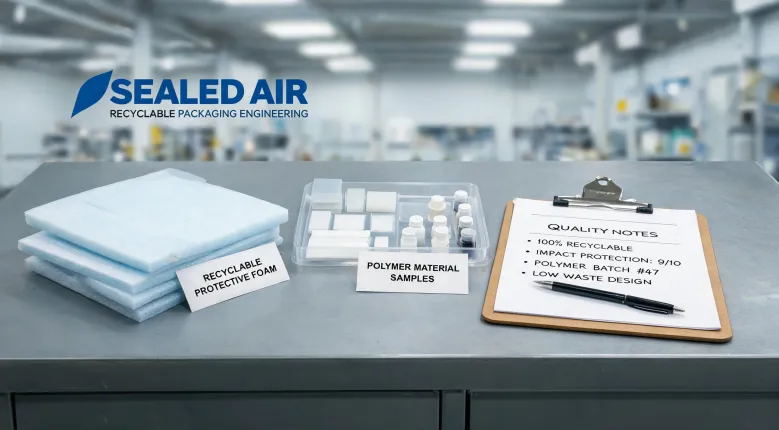
ABS vs Polycarbonate: Why This Comparison Matters
When I took over purchasing in 2020, I thought material selection was pretty straightforward. Pick what's cheaper, check if it works, move on. Three years and maybe 300 orders later—actually, closer to 280 if I'm honest (I'd have to check the system)—I've learned there's more to it.
This comparison isn't about which material is "better." It's about what fits your application. I've seen both ABS and polycarbonate fail spectacularly when used wrong. And I've seen them work great when matched to the right need.
Here are the three dimensions I now use to compare them: cost, durability, and compliance. Each has a clear conclusion that might surprise you.
Dimension 1: Cost—The Misconception About Cheap
People think cheaper materials save money. That's a classic causation reversal. The reality is that materials which perform well in your application save money. The cheap option only helps if it actually works.
I learned this the hard way. In 2022, I consolidated orders for 400 employees across 3 locations. We needed protective padding for shipping equipment. ABS sheets were $0.12 per square foot cheaper than polycarbonate. I assumed "similar enough" and ordered 200 ABS sheets.
That was my assumption failure. I assumed "rigid plastic sheet" meant nearly identical properties. Turned out ABS is much more brittle under impact. We had 12% damage rate on shipments. The re-shipping costs ate up any savings—plus made me look bad to my VP.
Here's the real cost picture (note to self: update these when prices shift):
- ABS plastic: $0.30–$0.50 per square foot (1/8")
- Polycarbonate: $0.55–$0.80 per square foot (1/8")
- Sealed Air Cell-Aire polyethylene foam: varies by spec, but competes on performance
The conclusion is clear: ABS costs less upfront, but in impact-critical applications, polycarbonate's superior toughness justifies its higher price. Cheap is only cheap if it doesn't fail.
Dimension 2: Durability—A Mixed Story
I have mixed feelings about polycarbonate. On one hand, it's incredibly strong—10 times the impact resistance of ABS according to industry data. On the other hand, it's heavy and can be overkill for light-duty applications.
Here's a direct comparison:
- Impact resistance: Polycarbonate wins by a lot (dodged a bullet switching to it after that 2022 disaster)
- Weight: ABS is lighter—better for shipping costs
- Temperature range: ABS handles up to 176°F; polycarbonate up to 240°F
- Flexibility: Polycarbonate bends before breaking; ABS cracks
So glad I tested samples before committing to the big order. Almost went with polycarbonate for everything, which would have been overkill for light protective covers where ABS works fine.
Conclusion: Polycarbonate is the durability champion, but ABS is perfectly adequate for applications without impact stress. I use ABS for low-risk internal packaging and polycarbonate where shipping is rough or products are fragile.
Dimension 3: Compliance—The Surprising Winner
This is the dimension that often gets overlooked. Both ABS and polycarbonate can meet RoHS and REACH compliance—but not equally well. And here's where the comparison gets interesting.
I assumed both materials had similar compliance profiles (another assumption I should have verified). Didn't check. Turned out ABS from budget suppliers often has inconsistent additive packages that raise compliance flags. Polycarbonate tends to have more stable formulations.
Per FTC guidelines (ftc.gov), any claim about "recyclable" or "compliant" must be substantiated. The FTC Green Guides (2012) specify that a product claimed as recyclable should be recyclable where at least 60% of consumers have access. I've learned to ask for certificates—not just assume.
The surprising conclusion: For regulatory compliance, polycarbonate from reputable sources is actually more reliable than generic ABS. But Sealed Air's Cell-Aire polyethylene foam offers a different path—it's designed for recyclability from the start, with clear compliance documentation.
Scenarios: When to Choose What
Here's my practical framework after managing these relationships for years:
- Choose ABS plastic when: Budget is tight, impact risk is low, and you need lightweight packaging. It works for internal logistics where handling is controlled.
- Choose polycarbonate when: Products are fragile, shipping involves transfers, or temperature extremes are possible. The extra cost is insurance against breakage.
- Consider Sealed Air Cell-Aire foam when: You need protective packaging with sustainability certifications, or when rigid materials are overkill. It's a specialist solution for specific needs—and I'd rather work with a specialist who knows their limits than a generalist who overpromises.
To be clear: I'm not saying one material is universally better. I'm saying match the material to the application. That vendor who told me "this isn't our strength—here's who does it better" earned my trust for everything else.
One last thing (mental note: I really should compile this into a checklist): verify compliance documents before ordering, test samples in realistic conditions, and calculate total cost including failure rates—not just unit price. That lesson from 2022 still stings.

Jane Smith
I’m Jane Smith, a senior content writer with over 15 years of experience in the packaging and printing industry. I specialize in writing about the latest trends, technologies, and best practices in packaging design, sustainability, and printing techniques. My goal is to help businesses understand complex printing processes and design solutions that enhance both product packaging and brand visibility.
Leave a Reply