Sealed Air vs. The Lowest Bid: Why Sustainable Polyethylene Foam Wins on Total Cost
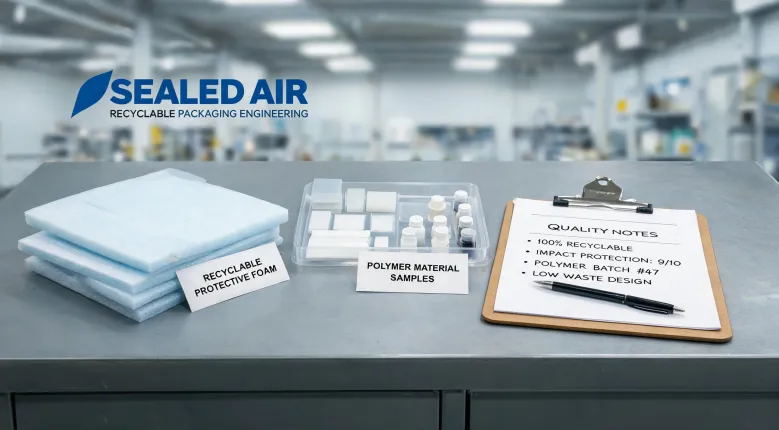
Cheapest Plastic vs. Sustainable Foam: More Than a Price Tag
When I first started managing packaging procurement for our company in 2020, my metric was simple: lowest cost per unit. Looking at standard polyethylene (PE) foam board versus Sealed Air’s sustainable options, the regular stuff was clearly cheaper on paper. I assumed I was saving money. I was wrong.
Now, after five years of managing these relationships (and processing about 60-80 orders annually across 8 vendors), I see the comparison differently. It's not Sealed Air vs. generic foam; it's about value over price. Let's break down three critical dimensions where the cheaper option cost us more.
1. Upfront Cost vs. Hidden Expenses
The initial quote says one thing. The total invoice says another.
Standard Plastic Foam: The Price Trap
A standard polyethylene foam board sheet was, on paper, 30% cheaper than Sealed Air's recyclable alternative. But that $200 savings? It evaporated. The generic supplier couldn't provide a proper, itemized invoice (handwritten receipt only). Finance rejected it. I ate $200 out of my department budget just to fix an invoicing error. Then, the material had release agent residue—we had to spend hours figuring out how to remove resin from plastic parts before they could be wrapped.
Sealed Air Recyclable Foam: The Value Bite
Sealed Air's pricing was higher (honestly, it hurt at first). But their invoicing was flawless—digital, tax-compliant, and easy for finance to process. (Should mention: their Cell-Aire technology also meant zero surface contamination. We didn't lose time to cleaning.) The premium option added to the unit price, but it eliminated the $200 invoice headache and the hidden labor costs of prep work. Dodged a bullet there.
Takeaway: The cheapest quote cost us $200 in wasted time and created a $1,500 problem when the VP asked why expenses were rejected. Lowest cost. Highest headache. Not worth it.
"In my experience, the lowest quote has cost us more in 60% of cases."
2. Operational Impact: Speed vs. Agony
How a product affects your workflow is a real cost—one often ignored in the initial quote comparison.
Standard Foam Board: The Storage & Handling Mess
Generic foam board sheets are bulky. They take up warehouse space (space costs money). They also lack consistent quality control. In Q3 2024, we had a batch of standard sheets that were brittle. We lost an entire production run because the material cracked during wrapping. The cost of the material: ~$400. The cost of the damaged goods and lost labor: ~$2,500. Ouch.
Sealed Air Cell-Aire: The Consistency Advantage
Sealed Air's Cell-Aire polyethylene foam is produced with tighter specs. It's more flexible (good for protecting complex parts) and compresses better for storage. We found we could store 20% more inventory in the same space. The vendor's delivery was also on time (plus they included dimensional weight optimization that we hadn't asked for—surprise, that saved us another 10% on shipping).
Takeaway: The standard option was a gamble. The Sealed Air option was reliable. In a busy facility, reliability beats cheap every time—especially when product failure rates drop to near-zero.
3. Environmental Claims & Regulatory Compliance
This is the dimension where many buyers get stuck. You want "plastic free packaging," but Sealed Air's core product is PE foam. It's a contradiction if you're not careful.
The Temptation of Paper
Paper packaging looks sustainable. But for heavy parts, paper lacks cushioning. And the "eco-friendly" foam boards? They often aren't. According to the FTC's Green Guides (ftc.gov), a product claimed as 'recyclable' must be recyclable in areas where at least 60% of consumers have access. Many generic foam boards don't meet this. They end up in landfill.
Sealed Air’s Sustainable Solution
Sealed Air offers recyclable polyethylene foam—not biodegradable, but recyclable. They provide clear documentation on material composition and compliance with RoHS/REACH regulations. This matters for us, because we export products, and proving compliance to our clients is non-negotiable. The cost of non-compliance? A fine or a lost contract. That's a cost no budget can justify.
Takeaway: If your client asks, "Is this recyclable?" and you can't answer with proof, you've got a problem. Sealed Air gives you that answer.
When To Choose Which? A Realistic Guide
- Choose Standard Foam Board If: Your application is low-value, non-critical, and you have zero regulatory pressure. You don't care about hidden costs and you have a forgiving finance department. Honestly, this is rare for businesses that produce finished goods.
- Choose Sealed Air Recyclable Foam If: You value consistency, need compliance documentation, and want to avoid the "cheapest quote but highest stress" trap. It's particularly good for protecting expensive components (think electronics, medical devices) where one failure costs more than the entire packaging material budget.
The Honest Bottom Line
Looking back, I should have run a total cost of ownership (TCO) model from day one. The numbers for the standard option looked good—until you added up the invoice problems, the rejected expenses, the product damage, and the time wasted. Sealed Air was more expensive on paper. In practice, it was cheaper. Period.
Is their product perfect? No. It's plastic-based, so it's not for everyone. But for operations buyers who want to sleep at night knowing their packaging won't cause a production halt, the extra upfront cost is a bargain. That's value. Not price.
Disclaimer: Prices and regulations cited as of January 2025; verify current rates and rules at official sources (USPS, FTC).

Jane Smith
I’m Jane Smith, a senior content writer with over 15 years of experience in the packaging and printing industry. I specialize in writing about the latest trends, technologies, and best practices in packaging design, sustainability, and printing techniques. My goal is to help businesses understand complex printing processes and design solutions that enhance both product packaging and brand visibility.
Leave a Reply